

About 83% to 92% of plumbing searches include local intent, with queries such as “plumber near me” and “water heater repair in my area,” according to the plumbing marketing statistics benchmark. That changes the job entirely. Local SEO for plumbing isn't a broad awareness exercise. It's an operational system for putting your company in front of nearby homeowners who need a call, an estimate, or an appointment now.
The businesses that win aren't always the ones with the longest service list or the largest website. They're the ones that connect Google Business Profile visibility, useful service pages, review activity, fast response times, and a frictionless phone experience to actual booked work.
Table of Contents
- What Local SEO for Plumbing Actually Means in 2026
- Mapping Keywords and Service Areas Before You Touch Anything
- Turning Your Google Business Profile Into a Job Engine
- Building Service Pages and Problem Pages That Match Real Calls
- Running Reviews as a System, Not an Afterthought
- Citations, Local Links, and Schema That Strengthen Prominence
- Tracking, Reporting, and CRO That Prove the Work Pays Off
What Local SEO for Plumbing Actually Means in 2026
Local SEO for plumbing means making your business the most relevant, credible, and accessible answer when someone in your operating area searches for help. That search might be “emergency plumber,” “water heater leaking,” “sewer line replacement,” or “plumber near me.” Your business needs to appear where the decision happens, including the Google Map Pack, local organic results, and increasingly conversational answer surfaces.
The local-intent numbers explain why this matters. The same benchmark set reports that about 42% of local search clicks go to the Google Map Pack, while the top three local listings capture about 93% of those Map Pack clicks. It also reports that 71% of users click a local plumbing website within the first three Google results, and 76% of smartphone users don't scroll past the first three local listings. These figures make one point clear: a plumber can have a technically excellent website and still lose the call if the business isn't visible in the few local positions that customers use.
Google describes local results through three core signals:
- Relevance: Does the profile and website match the service the searcher wants?
- Distance: How close is the business to the searcher or the location in the query?
- Prominence: How established and trusted does the business appear through reviews, links, mentions, and other signals?
You can't move the searcher's location, and you can't pretend to serve areas where you don't operate. You can improve relevance and prominence. Google's local ranking guidance specifically identifies relevance, distance, and prominence as the primary foundations of local results, with reviews and website links contributing to prominence.
Practical rule: Treat every ranking improvement as useful only when it increases qualified calls, forms, or booked visits.
That means local SEO isn't finished when a profile is claimed. A working program keeps service information accurate, publishes pages that match real call language, earns credible reviews, strengthens local relationships, and measures which searches produce profitable jobs. Rankings are evidence of visibility. Booked work is the business outcome.
Mapping Keywords and Service Areas Before You Touch Anything
The first mistake many plumbing companies make is editing the Google Business Profile before deciding what the business needs to be found for. Start with a map of services, problems, urgency, and geography. Optimization comes after research because a profile can't compensate for a confused service structure.
Separate queries into three working buckets:
| Query Type | Example Query | Matching Page | GBP Signal |
|---|---|---|---|
| Emergency | “burst pipe repair 24 hour” | Emergency plumbing page with click-to-call access | Emergency-hours information, urgent service post, clear phone action |
| Project | “tankless water heater installation” | Dedicated tankless water heater installation page | Service entry, project photo, educational post |
| Problem | “low water pressure upstairs” | Problem-solution guide linked to diagnostic service | Q&A answer, troubleshooting post, relevant service link |
Emergency queries need immediate action. The page should explain what to do safely, state whether emergency service is available, and make calling effortless. Don't bury the phone number beneath a long introduction.
Project queries usually require more comparison. Explain the work, equipment options, property considerations, and next steps. A homeowner researching a tankless installation may not call during the first visit, so the page must answer practical questions without turning into a generic sales pitch.
Problem queries are where answer-engine visibility can support local discovery. A search for “toilet won't stop running” or “water heater leaking from the bottom” often begins with a symptom, not a service name. Give a direct explanation, identify warning signs, and connect the problem to the right repair service.
Define the territory honestly
Create a primary city, secondary cities, and neighborhood groupings based on actual operations and lead quality. Your primary city is where the business is located or most established. Secondary cities are places technicians regularly reach without excessive travel. Neighborhoods matter when customers use them in searches or when local references help distinguish useful pages.
Don't build a service-area polygon based on ambition alone. Compare dispatch records, travel time, profitable job density, and technician coverage. A wide radius may create impressions but poor customer experience, missed calls, and low-quality leads.
Geo-modified terms such as “plumber in Clearwater” should be checked at the ZIP-code level rather than guessed from citywide assumptions. Review the search results, Map Pack presence, competitors, service language, and actual distance from the business. Google's relevance, distance, and prominence model means a page can be well written and still struggle when the business is too far away or lacks local credibility.
Research should answer one question before optimization begins: which service, problem, and location combinations can this company serve well and convert profitably?
Turning Your Google Business Profile Into a Job Engine
A Google Business Profile is not a directory entry that you complete once and forget. It's the search result customers inspect before deciding whether to call. A strong profile removes uncertainty about what you repair, where you work, when you answer, and whether real customers trust you.
Start with one accurate primary category. Google requires a business category, and plumber-focused guidance identifies “Plumber” as the primary choice. Add secondary categories only when they accurately represent real services, such as water heater repair or drain cleaning. The category guidance for plumbing businesses supports using the most relevant primary category rather than selecting several appealing but overlapping options.
Then complete the operational details:
- Verification: Complete verification and keep ownership access with the business, not only with a former contractor.
- Services: Add distinct entries for drain cleaning, leak detection, water heater repair, sewer line work, and other services the team provides.
- Service area: List real operating areas. Don't use the setting as a substitute for proximity.
- Hours: Keep standard hours, emergency availability, holiday changes, and call handling aligned.
- Attributes: Select accurate options that help customers understand access, payment, and service conditions.
- Business information: Keep name, address, phone number, website, and service descriptions consistent with the rest of the web.
For service-area businesses, address visibility must follow Google's rules. If customers don't visit the address, don't present a residential location as a public storefront. Incorrect address treatment can create trust and compliance problems that no keyword strategy fixes.
Show active work, not stock photography
Upload original images of branded vehicles, technicians, equipment, completed repairs, clean work areas, and before-and-after results. A real job photo gives the searcher more confidence than a generic wrench graphic. Use descriptive context in the associated service and post content, but don't force keywords into every caption.
GBP Posts can support seasonal maintenance advice, completed project highlights, emergency availability, and service explanations. Q&A content should answer questions customers ask before calling, such as whether the company handles slab leaks or offers same-day water heater repair. Product or menu-style fields can organize important services where the profile supports them.
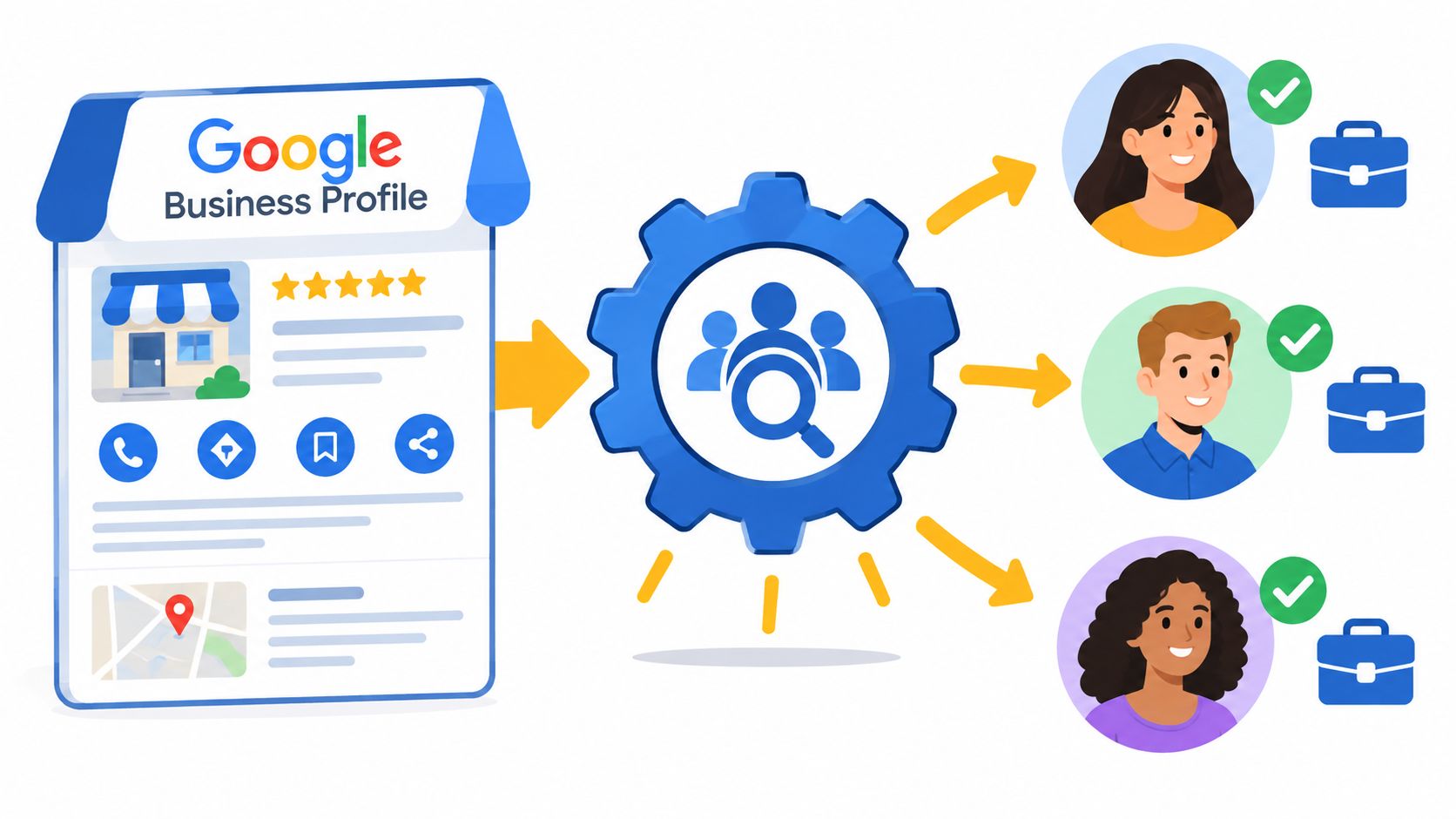
A practical Google Business Profile optimization workflow should connect profile maintenance to the dispatch operation. Ask the office team to check unanswered questions, update temporary hours, review new messages, and record which profile actions produce calls or direction requests.
Those actions, including calls, website visits, direction requests, and photo views, are valuable operational signals. They show how searchers use the profile and where the conversion path may be breaking. A profile with complete fields but unanswered questions and slow lead handling isn't a job engine. It's an unattended storefront.
Building Service Pages and Problem Pages That Match Real Calls
Your website should function as an answer layer for the questions that trigger plumbing calls. The homepage can establish the primary city and core plumbing offering, but it shouldn't carry every service, symptom, and neighborhood target. Dedicated pages give Google and customers a clearer match.
Build commercial service pages for work such as:
- Drain cleaning
- Water heater repair
- Leak detection
- Sewer line replacement
- Tankless water heater installation
- Emergency plumbing
Each page should explain the service in plain language, identify the problems it solves, describe what an inspection or visit involves, and provide an immediate phone or booking action. Link related services where the relationship is useful. A leak detection page might point to slab leak repair, while a water heater repair page can distinguish repair from replacement and installation.
Make location pages genuinely local
A city page shouldn't be a template with the city name swapped into the first paragraph. Add details that reflect the area, such as recognizable landmarks, nearby neighborhoods, recurring property types, local water concerns, or the kinds of plumbing problems technicians regularly encounter. Only include job examples and testimonials that are real and authorized.
A neighborhood page should answer why that area deserves a separate page. If it doesn't offer distinct search demand, service relevance, or useful local information, don't publish it. Thin location pages can dilute the site and give visitors no reason to trust the company.
Problem pages capture a different kind of intent. Pages for “water heater leaking from the bottom,” “low water pressure upstairs,” and “toilet won't stop running” should begin with the likely concern, explain urgency without exaggeration, and tell the reader when professional diagnosis is needed. These pages can earn visibility in answer engines because they provide specific, question-led information instead of repeating “plumber in [city]” across every paragraph.
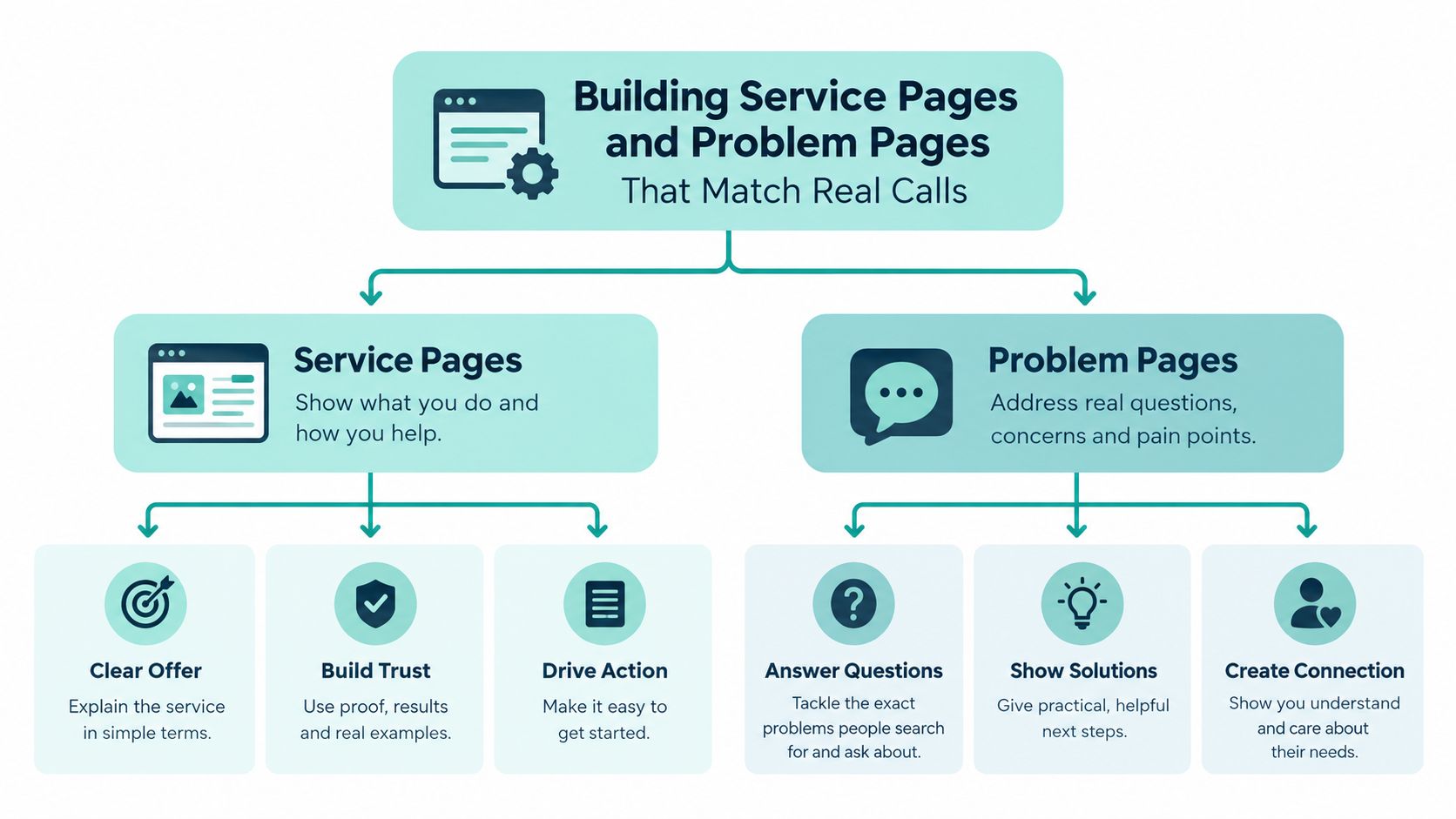
Current plumber-focused guidance increasingly emphasizes service pages, FAQ schema, emergency-hours information, locally relevant Q&A, and fast mobile actions for AI-driven search surfaces, as described in this guidance on local SEO for plumbers and other trades. Use structured content to support comprehension, not to decorate a page with markup it hasn't earned.
Finally, connect the content. Blog posts and FAQs should link to the relevant commercial page. Service pages should link to the appropriate service-area page. Every important page should offer a visible click-to-call header, especially on mobile, where a homeowner may be searching during an active leak.
Running Reviews as a System, Not an Afterthought
Reviews are one of the few local SEO assets a plumbing company can improve through a repeatable operating process. Yet many firms only hope satisfied customers leave feedback. A 2026 study of 704 plumber profiles found that 58.1% had fewer than 20 reviews, while 57.9% had not replied to any of their 20 newest reviews, according to this study of Google reviews for plumber profiles. The gap isn't just a reputation problem. It shows how often companies claim the profile and then stop managing the customer experience around it.
Tie the request to job completion. After the invoice is paid and the customer confirms the work is complete, the technician or office system should send a personal message promptly. Keep it short, provide the direct Google review path, and offer one secondary option for customers who prefer another platform.
A useful workflow looks like this:
- Confirm satisfaction: Ask whether the customer is comfortable with the completed work.
- Trigger the request: Send a personalized text from the technician or office system.
- Make the next step obvious: Use a short link and explain that honest feedback helps future customers.
- Record the outcome: Track requests, completed reviews, service type, and location.
- Review the pattern: Share recurring complaints with dispatch and field leadership.
Don't script customers into a particular rating or wording. That creates compliance and trust risks. Ask for honest feedback, make the process easy, and improve the service issues that generate repeated criticism.
Respond with context and speed
Respond to every review, including negative feedback, within a consistent internal service window. A useful response mentions the actual service and location when appropriate, then adds a detail that proves a person read the review. For example, a response to a water heater replacement can refer to the installation without stuffing the city name into every sentence.
Negative reviews need triage. Acknowledge the concern, avoid arguing in public, invite the customer to continue privately, and document the issue internally. If several reviews describe missed arrival windows or unclear estimates, the answer belongs in operations as well as reputation management.
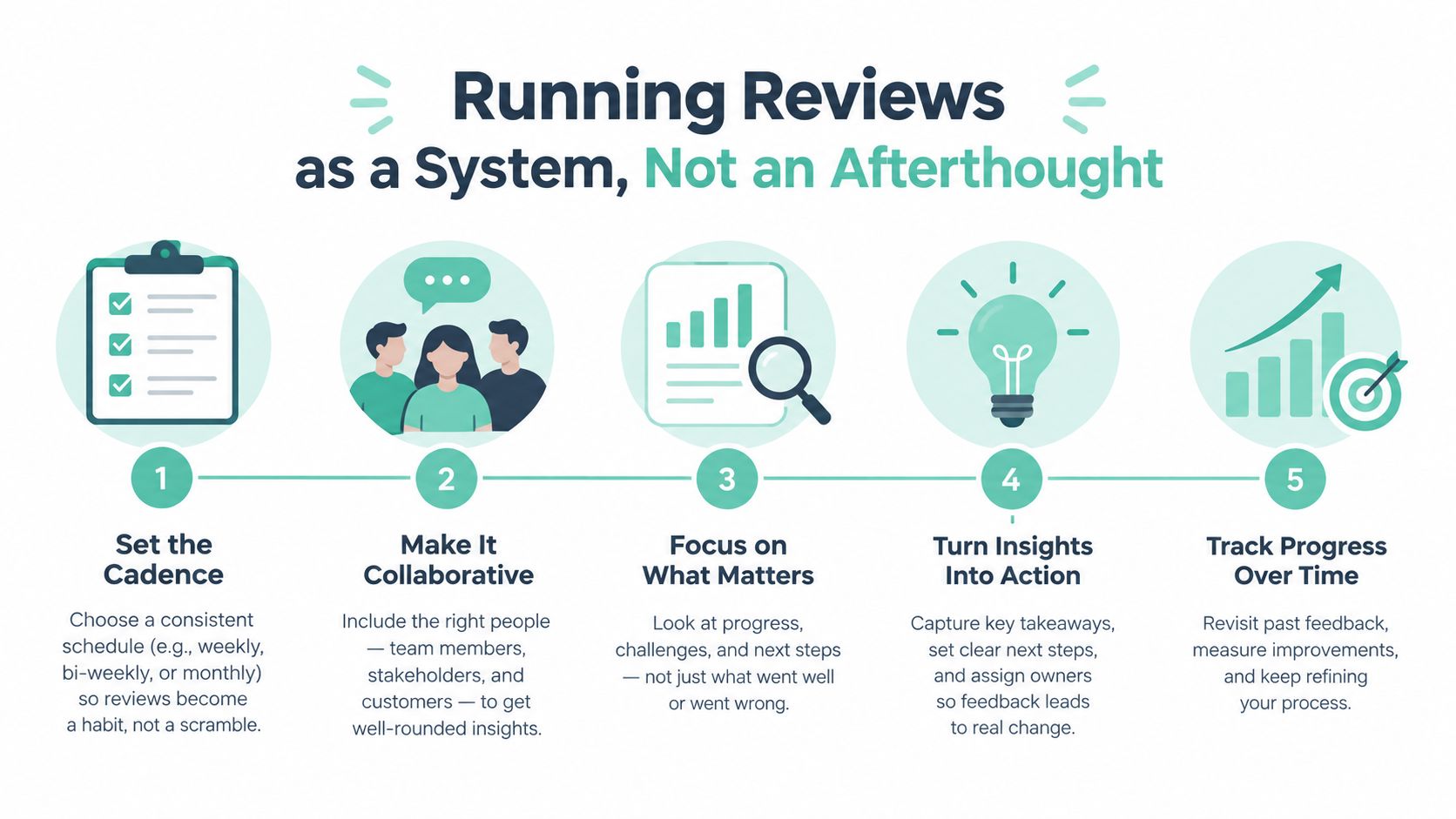
Use this review request process for service businesses as a starting point, then adapt the timing and language to the way your technicians close jobs. Review velocity is not a campaign. It's part of the job-close protocol.
Citations, Local Links, and Schema That Strengthen Prominence
Relevance tells Google what you do. Distance limits how far local visibility can stretch. Prominence is the trust layer, and it comes from signals outside a single profile, including reviews and links from other websites. Google's local ranking documentation identifies website links and reviews as factors that can influence prominence, so plumbers should spend effort on credible references rather than bulk directory submissions.
Start by auditing your core citations. Check the business name, address, phone number, website, hours, and service description across Yelp, the Better Business Bureau, Apple Maps, Bing Places, Nextdoor, Angi, and HomeAdvisor. Fix conflicting records before adding more. A consistent presence on fewer relevant platforms is more useful than a large collection of abandoned listings.
| Source | SEO Value | Effort | Priority |
|---|---|---|---|
| Google Business Profile | Direct local visibility and customer actions | Moderate | Highest |
| Apple Maps and Bing Places | Supporting discovery and business consistency | Moderate | High |
| Yelp and Better Business Bureau | Trust, branded search support, and citations | Moderate | High |
| Nextdoor | Neighborhood relevance and local trust | Moderate | High where active |
| Angi and HomeAdvisor | Trade relevance and referral visibility | Moderate | Selective |
| Chamber and city directories | Geographic relevance and relationship value | Variable | High when genuine |
Local links should come from relationships a real plumbing company could explain. Sponsor a Little League team, join the chamber, support a trade school, contribute expertise to a supplier resource, or ask an equipment supplier whether it maintains a contractor locator. These links have context. A generic “plumber directory” blast usually doesn't.
Schema helps search engines interpret the information already visible on the page. Use appropriate LocalBusiness, Service, FAQ, and eligible review-related markup, but don't add review data that users can't see or claim services the company doesn't provide. Structured data won't rescue thin content or inaccurate business details.
A clean implementation of local business schema markup should connect the business entity, service pages, location information, and contact details without creating contradictory signals. Review the markup after website changes, especially when the business changes address, phone number, hours, or service coverage.
Tracking, Reporting, and CRO That Prove the Work Pays Off
A local SEO report that stops at rankings is incomplete. The owner needs to know which services generate calls, whether those calls become booked jobs, and whether the leads are worth the travel and labor involved.
Use each platform for a distinct question:
- Google Business Profile Insights: Which profile actions are happening, including calls, website visits, and direction requests?
- CallRail or WhatConverts: Which landing pages, campaigns, and search themes produced calls, and which calls became qualified opportunities?
- GA4: Which pages and devices lead to form submissions, phone clicks, and booking actions?
- Google Search Console: Which queries and pages receive impressions and clicks across local and organic search?
| KPI | Source / Tool | What to Track | Realistic Benchmark |
|---|---|---|---|
| GBP actions | Google Business Profile Insights | Calls, website visits, direction requests, and photo views | A consistent upward trend with qualified activity |
| Phone calls by service | CallRail or WhatConverts | Emergency, drain, water heater, sewer, and other call categories | Clear attribution and improving lead quality |
| Review velocity | Google Business Profile and review log | New reviews, response completion, themes, and recency | A repeatable post-job process |
| Branded vs. non-branded impressions | Search Console | Business-name searches compared with service and location queries | Growing non-branded visibility without losing branded demand |
| Cost per booked job | CRM plus call tracking | Marketing cost divided by completed booked work | Declining waste and stable profitability |
| Form and call conversion | GA4 and call platform | Page, device, source, and service conversion paths | Fewer abandoned actions and stronger mobile performance |
Review the dashboard weekly for operational problems. Missed calls, unanswered messages, broken forms, and stale hours can waste demand before an algorithmic issue appears. Review it monthly for strategic decisions, such as whether emergency pages, water heater content, review requests, or local links are producing the best opportunities.
Improve the page after the click
Plumbing CRO should reflect urgency and uncertainty. Put a click-to-call option above the fold, show the service areas clearly, place trust signals near estimate forms, and create a dedicated emergency path for mobile users. Don't force someone with an active leak to move through a generic “learn more” funnel.
Read lead quality alongside conversion totals. If a page generates many calls but most are outside the service area, tighten the geographic language and call screening. If a service page earns visibility but few calls, improve the offer, proof, internal links, and next step. If the profile drives strong calls but technicians can't answer promptly, invest in call handling before producing more content.
The right allocation follows evidence. Put more effort into Google Business Profile management when profile actions are strong but service relevance is weak. Invest in content when problem searches show visibility but lack a useful destination. Prioritize review operations when competitors appear more credible and your profile engagement is stagnant. Local SEO pays when the reporting loop changes what the team does next.
Digital Skyrocket builds lead-generating websites and ongoing local SEO programs for service businesses, connecting plumbing service pages, city pages, Google Business Profile work, answer-engine optimization, reputation management, and conversion tracking. Visit Digital Skyrocket to discuss a website and SEO program built around qualified plumbing calls and booked jobs.