Why do some handmade products get attention but never convert into sales?
The problem usually is not creativity. It is picking a product without a clear plan for cost, pricing, demand, and sales channel. Makers often spend weeks designing, buying supplies, or setting up a shop before they know whether the numbers work.
This guide fixes that gap. Each idea comes with a practical mini-blueprint: what it costs to start, how pricing tends to work, where to sell it, and how to test demand before you commit real money. That structure matters more than inspiration alone.
Physical and digital products behave differently, and the trade-offs are real. Digital files are simpler to fulfill and easier to test. Physical goods can build a stronger brand and higher perceived value, but they bring material costs, shipping issues, and more customer service. The right choice depends on your budget, skills, and tolerance for operational work.
If your shop gets traffic but few orders, study conversion rate optimization for ecommerce product pages. If you plan to start with apparel, design workflow matters early, according to WearView's blog(https://www.wearview.co/blog/best-apps-for-clothing-design).
The seven ideas ahead are selected for realistic entry points, not fantasy margins. Some can start with a laptop. Others need equipment and tighter cost control. The goal is simple: help you choose one idea, validate it fast, and get to a first sale with fewer expensive mistakes.
Table of Contents
- 1. Print-on-Demand Apparel & Accessories
- 2. Digital Templates & Design Assets
- 3. 3D-Printed Goods & Digital Files
- 4. Laser-Engraved Personalized Gifts
- 5. Handmade Candles & Wax Melts
- 6. Handmade Soaps & Bath Products
- 7. Niche Pet Accessories
- 7 Make-and-Sell Ideas Comparison
- Choosing Your Product and Taking the First Step
1. Print-on-Demand Apparel & Accessories
Print-on-demand is one of the easiest things to make and sell if you have design taste but don't want inventory in your house. You upload artwork, connect a storefront, and a fulfillment partner prints and ships only after a customer orders.
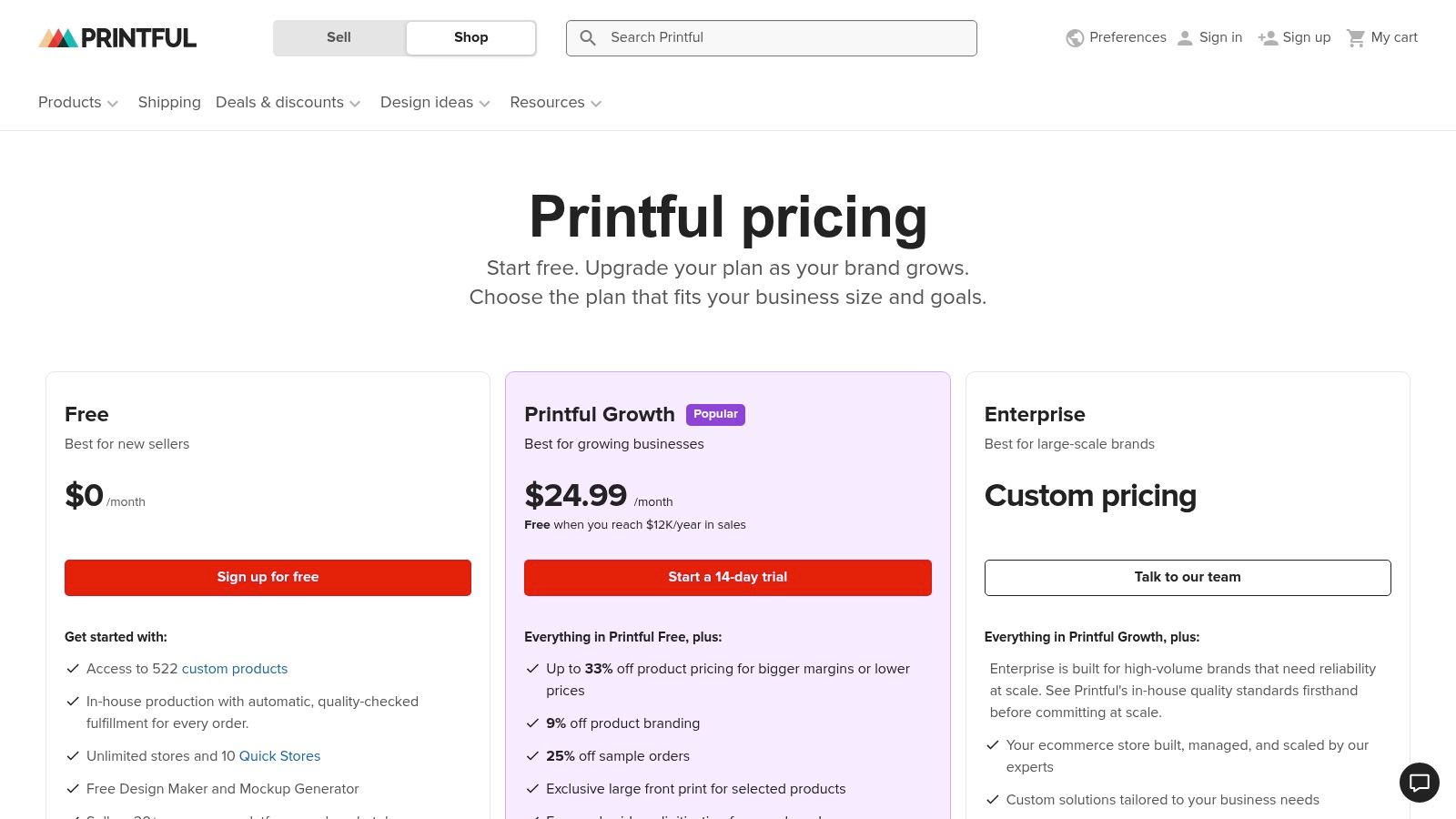
That makes it a strong testing model. You can try niches like readers, hikers, retro truck fans, or breed-specific dog owners without tying up cash in stock. A provider like Printful pricing shows the structure clearly. Your costs sit in the blank product, printing, and shipping, so your main job is choosing a niche with enough passion to support custom designs.
Where POD Works Best
POD works when the design is the product. Generic “funny shirt” ideas usually get buried. Focused identity products do better because buyers feel seen. A narrow angle like “wearable art for corgi owners who camp” beats “cute dog shirt.”
WearView's blog on clothing design apps is useful if you need a starting point for turning rough concepts into cleaner apparel graphics.
Practical rule: If your design could fit every niche, it probably won't stand out in any niche.
Execution Notes
- Materials: Digital design files in PNG or JPG format.
- Startup cost: About $0 to $50 if you use free tools and mockups, with extra cost if you buy assets or software.
- Pricing: Use your fulfillment calculator first. Then back into a margin that still leaves room for marketplace fees and customer service.
- Best channels: Etsy, Shopify, or WooCommerce.
- Validation: Make several mockups before you publish a full store. Show them in relevant groups, then test a small pre-order.
POD is also a conversion game. If visitors click but don't buy, your product page or offer needs work. That's why understanding conversion rate optimization for ecommerce pages matters even for makers. Clean photos, clear size guidance, and a strong niche promise usually move the needle more than adding more products.
2. Digital Templates & Design Assets
If you want the cleanest economics in this list, sell digital templates. Resume layouts, pitch decks, social media packs, media kits, proposal templates, and printable planners are efficient because you build them once and sell them repeatedly.
This category has another advantage. It scales without materials, packing stations, or shipping problems. A strong template bundle can keep selling while you work on the next one. That's why many experienced creators move here after trying physical products first.
Why This Category Is So Attractive
Digital products generally achieve profit margins of 70% to 95% per sale because there's no physical inventory, and recurring or high-ticket digital offers often create the strongest economics, according to this overview of the best digital products to sell. In practice, template sellers do best when they solve a specific workflow problem instead of selling generic design files.
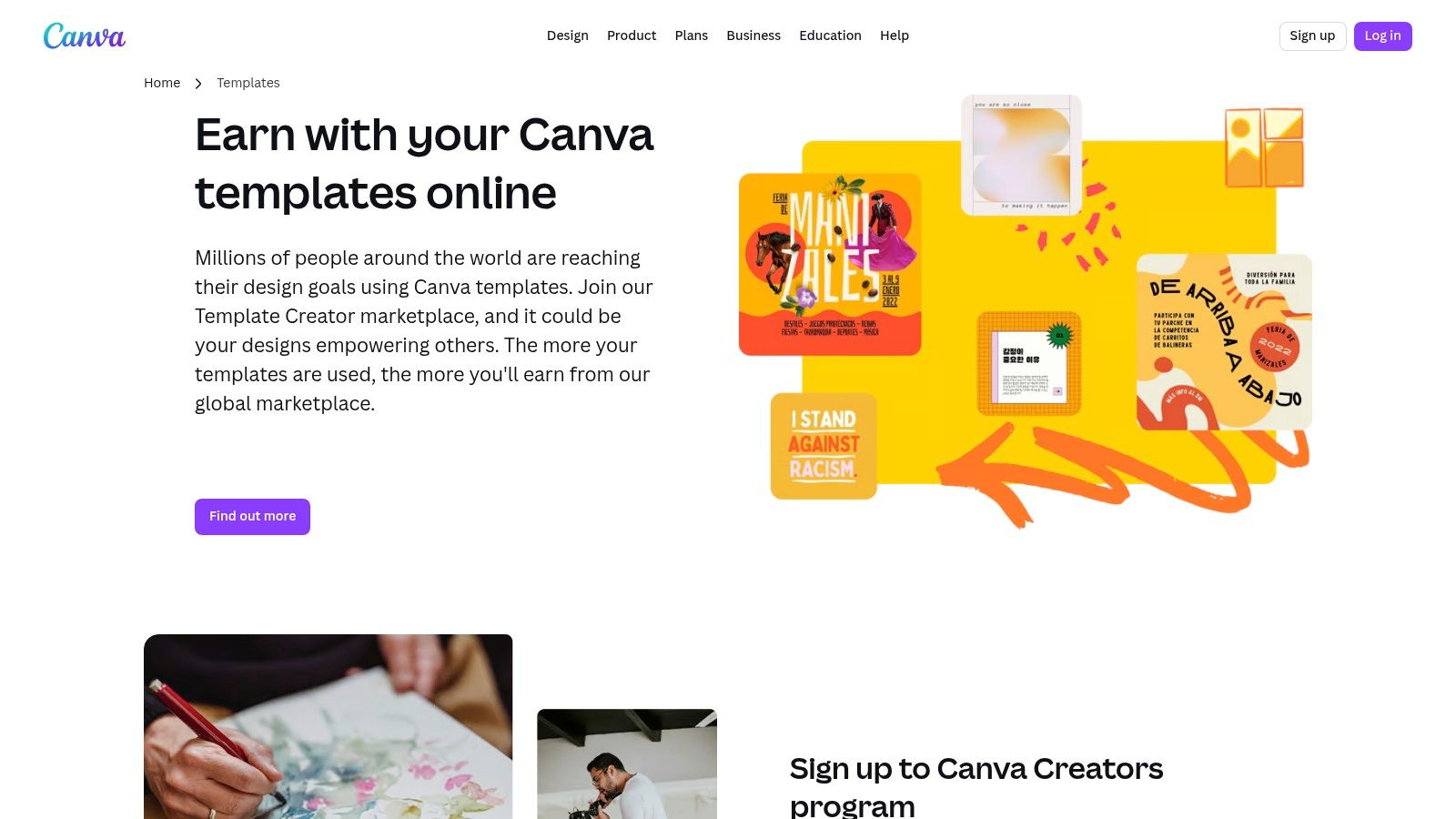
Canva's template creator ecosystem gives you a fast way to build and package these products, especially if your buyer wants editable assets instead of static downloads.
Sell time savings, not decoration. Buyers pay faster when the template helps them finish work they were already trying to do.
Execution Notes
- Materials: Canva, Adobe Illustrator, or Affinity Designer.
- Startup cost: Roughly $0 to $100, depending on subscriptions and licensed assets.
- Pricing: Single templates can sit at the lower end, while bundles and business-use packs justify more.
- Best channels: Etsy, Creative Market, Gumroad, or your own site.
- Validation: Release one free item to collect feedback and email subscribers. Then build the paid bundle around the most requested variation.
For new sellers, niche beats volume. “Instagram templates” is crowded. “Canva templates for real estate open house flyers” is more defensible. If you want organic discovery over time, the same logic behind content marketing for leads applies here. Build product pages and blog content around specific use cases your buyers already search for.
3. 3D-Printed Goods & Digital Files
3D printing gives you one of the most flexible models on this list because one design can become two products. You can sell the printed item to people who want convenience, and you can sell the STL file to hobbyists who want to print it themselves.
That split matters. Physical products bring craftsmanship and customization. Digital files bring scalability. Once a design proves demand, selling both versions can widen your market without inventing a second product line.
Two Products From One Design
The most reliable opportunities are usually functional. Tabletop terrain organizers, cable management clips, battery holders, drill attachments, custom wall mounts, and niche desk accessories all solve real problems. Decorative objects can sell too, but utility products are easier to position because the benefit is obvious.
Before listing anything on Etsy, review Etsy's seller policy on what can be sold. This matters more in 3D printing than is often understood. Reselling generic files or passing off someone else's model as your own creates both policy and trust issues.
Execution Notes
- Materials: A reliable printer such as a Bambu Lab or Prusa machine, filament like PLA or PETG, and design software such as Blender or Fusion 360.
- Startup cost: About $300 to $1,500 for a dependable setup and starter supplies.
- Pricing: For prints, calculate filament, machine time, failed prints, finishing time, and packing. For digital files, price based on originality and usefulness.
- Best channels: Etsy, eBay, and model marketplaces.
- Validation: Share renderings in niche communities before printing inventory.
A common mistake is underestimating production friction. Print failures, support cleanup, tolerance issues, and customer instructions all eat time. If a design needs too much hand-finishing, the digital file may be the better offer.
4. Laser-Engraved Personalized Gifts
Laser engraving is a strong business when personalization is the key value. Buyers don't care that a blank cutting board is ordinary. They care that it becomes a wedding gift, housewarming piece, memorial item, or branded client gift with meaning attached.
That's why this category can support healthier pricing than many standard handmade products. The blank is only the starting point. Your margin comes from customization, speed, and the confidence that the finished product feels gift-worthy.
Personalization Sells the Story
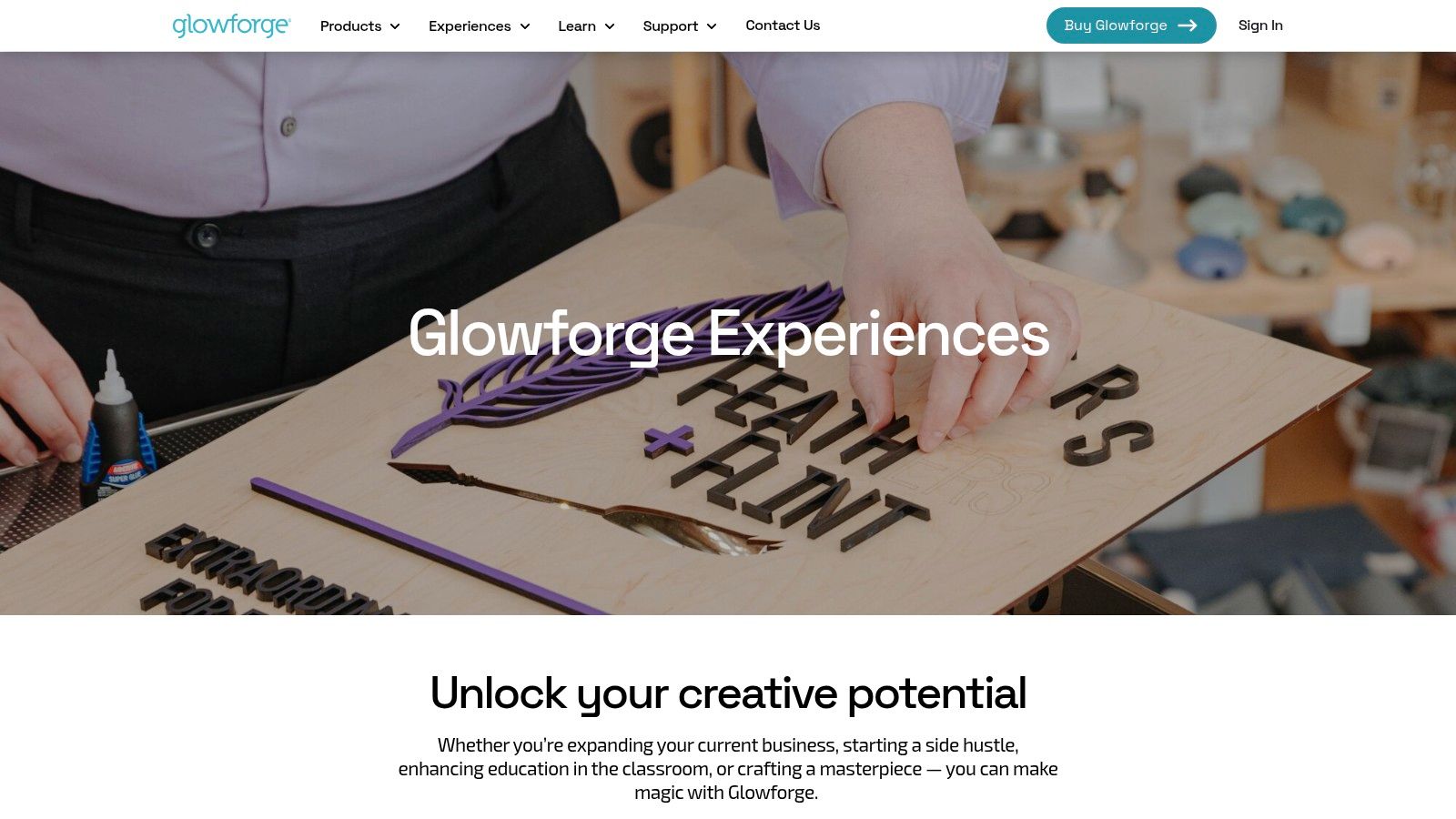
A machine like Glowforge for small business use opens the door to wood signs, tumblers, keychains, ornaments, tags, and corporate gifting. The best products aren't the most complex ones. They're the ones buyers understand instantly and can personalize with low friction.
Wedding and real estate gifting are especially practical local angles. Agents need closing gifts. Couples need signage and keepsakes. Event planners need coordinated pieces. Those buyers often care more about reliability and presentation than they do about shaving a few dollars off the order.
A personalized gift doesn't compete head-to-head with a blank commodity. It competes on meaning, speed, and presentation.
Execution Notes
- Materials: Laser engraver, blanks in wood, acrylic, or coated metal, plus design software.
- Startup cost: Often $3,000 to $7,000 or more once machine, ventilation, and initial blanks are included.
- Pricing: Price the personalization and presentation, not only the raw blank.
- Best channels: Etsy, Shopify, markets, and direct outreach to local businesses.
- Validation: Rent time at a maker space or local shop before buying your own machine.
The trade-off is capital cost. This isn't the best first move if your budget is tight. It is a good move if you already know your local audience and can line up early custom orders.
5. Handmade Candles & Wax Melts
Want a product that feels giftable, repeatable, and realistic to start from home? Candles and wax melts can fit that model, but only if you treat them like a tested product line instead of a craft project.
The makers who get traction usually do four things well. They choose a clear scent direction, keep vessels and labels consistent, price for waste and retesting, and build a brand people can describe in one sentence. A random mix of bakery scents, minimalist jars, and generic names rarely holds together long enough to earn repeat orders.
A Better Way to Approach the Category
Candles sell on experience, but the business runs on consistency. Scent throw, burn quality, vessel safety, labeling, and packaging all affect whether a buyer comes back or asks for a refund.
Wax melts are often the smarter starting point for beginners with a tight budget. They use less packaging, avoid some wick-related testing headaches, and let you validate scents faster. Candles can support a higher ticket price, but they take more testing and usually create more damaged inventory if packaging is weak.
A simple example shows the trade-off. A three-scent wax melt line in clamshells is easier to launch and test at a weekend market than a twelve-scent candle range in glass jars. The smaller line gives clearer feedback and ties up less cash.
Mini Blueprint
- Startup cost: A basic small-batch setup usually starts in the low hundreds, then rises as you add vessel inventory, label stock, fragrance options, and test pours.
- What to make first: Start with 3 to 5 scents. Keep one scent family or theme so the line feels intentional.
- Pricing approach: Price for wax, fragrance, jars or clamshells, labels, packaging, failed test batches, and your time. If you ignore testing waste, your margin looks better on paper than it is in practice.
- Best sales channels: Farmers markets, local gift shops, Etsy, and a simple Shopify store all work. Local retail can be strong if your packaging already looks shelf-ready.
- Fast validation: Test scent names, label style, and top three fragrances with small batches before you order custom packaging in volume.
Where Candle Businesses Usually Win or Lose
Names matter, but performance matters more. “Vanilla Soy Candle” is easy to understand, yet it gives buyers no reason to remember your brand. A tighter concept with stronger naming can help, especially if the scent and packaging deliver what the label promises.
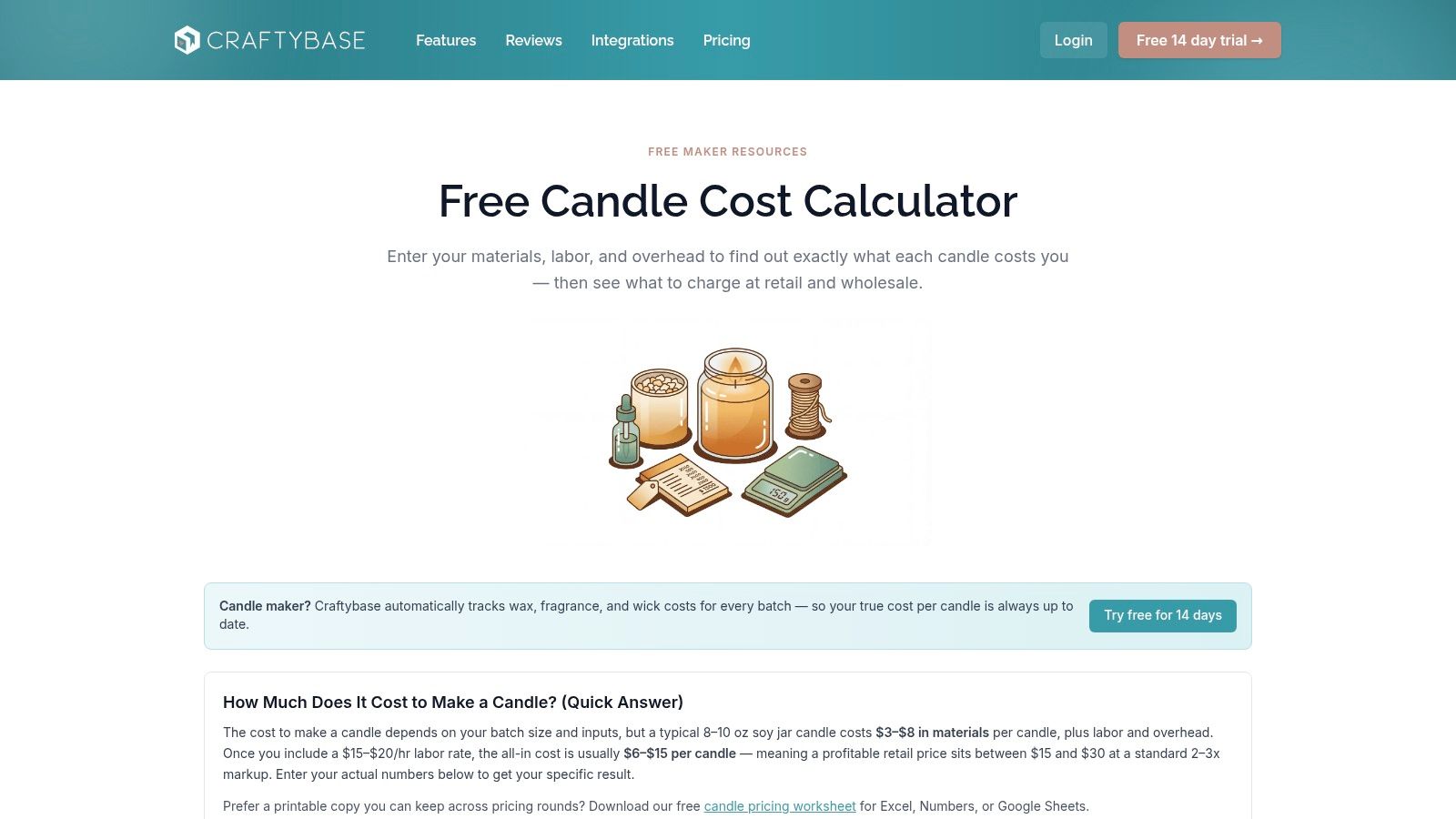
Testing is where many new sellers cut corners. Craftybase's candle cost calculator is useful for building a pricing model, but it will not tell you whether your wick tunnels, whether your jar gets too hot, or whether your fragrance throws well after cure time. Those answers come from repeated test burns and honest note-taking.
Content also helps this category more than makers expect. A short launch plan, scent story posts, and restock emails can keep buyers engaged between seasonal releases. If you need a simple promotion system, this guide on how to publicize your blog and brand content gives you practical ways to get more reach from each launch.
6. Handmade Soaps & Bath Products
Soap is appealing because it's a consumable. If people like it, they come back. That repeat behavior makes it one of the better physical things to make and sell, especially if you package it as a giftable line instead of a single-item purchase.
The trap is thinking aesthetics alone will carry the brand. Nice swirls and dried botanicals help, but bath products sell on trust. Ingredient clarity, skin feel, consistent quality, and compliant labeling matter more than social media prettiness.
Trust Matters More Than Aesthetic
In the U.S., labeling and claims can change how a product is regulated, so review the FDA summary of cosmetics labeling requirements before you sell. That's not paperwork for later. It shapes your packaging and product descriptions from the start.
This category also works well with bundles. A bar soap, bath bomb, and lotion set feels more complete and usually sells more easily than a single low-ticket item. Gift sets also give you a cleaner angle for holidays, birthdays, and market displays.
Execution Notes
- Materials: Lye for cold process soap, oils, butters, fragrance or essential oils, molds, colorants, and safety gear.
- Startup cost: About $150 to $400, depending on your formula and equipment.
- Pricing: Reflect ingredient quality, cure time, labor, and packaging. Bundles usually improve order value.
- Best channels: Farmers markets, Etsy, Shopify, and local gift shops.
- Validation: Test formulations with a small group first, then refine based on use experience and packaging feedback.
Claims like “heals eczema” or “treats acne” create a different level of regulatory exposure. Keep your wording disciplined.
7. Niche Pet Accessories
Pet accessories are a smart handmade category because buyers are emotional, visual, and often willing to purchase more than one item. A good pet product also photographs well, which helps at markets and on Etsy.
This category is broader than many sellers realize. You're not limited to collars. Bandanas, bow ties, leash wraps, treat pouches, personalized tags, crate signs, and matching owner-pet accessories all fit.
A Category With Strong Gift and Repeat Potential
The broader headwear market, which includes handmade hats and accessories, was valued at $26.56 billion in 2023 and is projected to reach $36.34 billion by 2028 at roughly 6.5% CAGR, as cited in this roundup of handmade products to make and sell. That doesn't measure pet accessories directly, but it does reinforce a practical point. Accessories are deep markets, and buyers keep shopping in them.
The best pet sellers usually narrow down. Think “outdoor dog bandanas for large breeds,” “formal bow ties for wedding pets,” or “tough-wear leash sets for strong pullers.” Specificity helps your photos, your listings, and your customer expectations.
Execution Notes
- Materials: Fabric, sewing machine, webbing, buckles, hardware, and tag blanks if you engrave.
- Startup cost: About $100 to $350, depending on equipment you already own.
- Pricing: Use size tiers and push bundles like collar, leash, and tag sets.
- Best channels: Etsy, pet boutiques, groomers, craft fairs, and local pet events.
- Validation: Make sample pieces and get them photographed on real pets before building out a full catalog.
The trade-off is SKU complexity. Sizes, colors, hardware finishes, and fabric patterns multiply fast. Keep your first collection tight so you don't create a fulfillment mess.
7 Make-and-Sell Ideas Comparison
| Product | Implementation Complexity 🔄 | Resource Requirements ⚡ | Expected Outcomes 📊 | Ideal Use Cases 💡 | Key Advantages ⭐ |
|---|---|---|---|---|---|
| Print-on-Demand Apparel & Accessories | Low, simple store + POD integration; minimal ops | Minimal, design files, $0–$50 startup, no inventory | Moderate, fast validation, lower margins, scalable | Niche apparel for passionate communities, quick tests | Low risk, no inventory, easy to scale |
| Digital Templates & Design Assets | Low–Medium, design skill required, repeatable workflow | Low, design tools (free→$100), time to create assets | High, near-passive income, high margins once ranked | Social media, resumes, presentations, creators & small biz | Exceptional margins, highly scalable with bundles |
| 3D-Printed Goods & Digital Files | Medium, 3D modeling + print workflow and post-processing | Medium, $300–$1,500 printer, filament, software | Variable, physical + STL sales possible; niche demand | Tabletop gaming, custom tools, functional/novel parts | Dual revenue streams (physical + digital), unique products |
| Laser-Engraved Personalized Gifts | Medium–High, machine skills, design, safety considerations | High, $3,000–$7,000+ machine, blanks, ventilation | High, strong perceived value, good margins on customization | Weddings, corporate gifts, event-based personalized items | High margins from personalization; premium positioning |
| Handmade Candles & Wax Melts | Low–Medium, accessible craft but requires testing | Low, $200–$500 starter supplies and molds | Moderate, repeat purchases, seasonal spikes (Q4) | Local markets, gift lines, seasonal and home-fragrance niches | Consumable repeat buyers; strong holiday demand |
| Handmade Soaps & Bath Products | Medium, formulation, testing, and labeling compliance | Low–Medium, $150–$400 supplies, safety gear, labeling | Moderate, reorder potential; bundling increases AOV | Farmer's markets, skincare niche, gift and self-care markets | Ingredient storytelling differentiates; bundling boosts value |
| Niche Pet Accessories | Low–Medium, sewing/assembly, SKU/size management | Low, $100–$350 depending on tools owned | Moderate–High, loyal customers, upsell and B2B chances | Pet boutiques, Etsy, local groomers, influencer marketing | Large emotional market; personalization & upsell opportunities |
Choosing Your Product and Taking the First Step
The best product isn't the one with the most hype. It's the one you can produce well, price confidently, and validate quickly. That's the primary filter for choosing among things to make and sell.
If your budget is small and you want clean margins, digital templates are hard to beat. If you want tangible products with repeat purchase potential, candles and soap can work well, but only if you treat testing and pricing seriously. If you want customization and stronger average order value, laser-engraved gifts and pet accessories are practical plays. If you want flexibility without inventory risk, POD is a solid entry point. If you like technical problem-solving, 3D printing gives you more room to build defensible products.
One more point matters more than beginners expect. Product quality alone won't save the business. A cited figure notes that 78% of new handmade businesses fail within two years primarily because of weak marketing strategy rather than poor product quality, in this discussion of emerging small business opportunities. That matches what most makers eventually discover. Making is only half the job. Selling, positioning, and validating demand are the other half.
So start smaller than you want to. Launch one focused product, not twelve. Test one channel, not five. Ask real buyers to react before you buy more materials or equipment. If you can get early traction, then expand into bundles, seasonal launches, or wholesale.
Studying how other creators package products can help too. Even programs like Famcut's gifted program are useful as a reminder that getting products into the hands of the right audiences often matters as much as the product itself.
Pick the one idea that fits your skills and your budget. Make a sample. Show it to real people. Ask for the sale. That first small move is what turns a hobby into a business.
If you're building a product business and want a website that attracts qualified traffic from Google, Digital Skyrocket focuses on websites, SEO, AEO, and conversion optimization that turn search visibility into real inquiries. They work with service businesses, not general marketing retainers, and they build for lead generation from the start.